01 / Material Review1
Grade, Condition and Revision Alignment
Confirm the current drawing, material specification, applicable condition and customer documentation requirements.
Revision / material / condition
CNC MACHINING MATERIALS
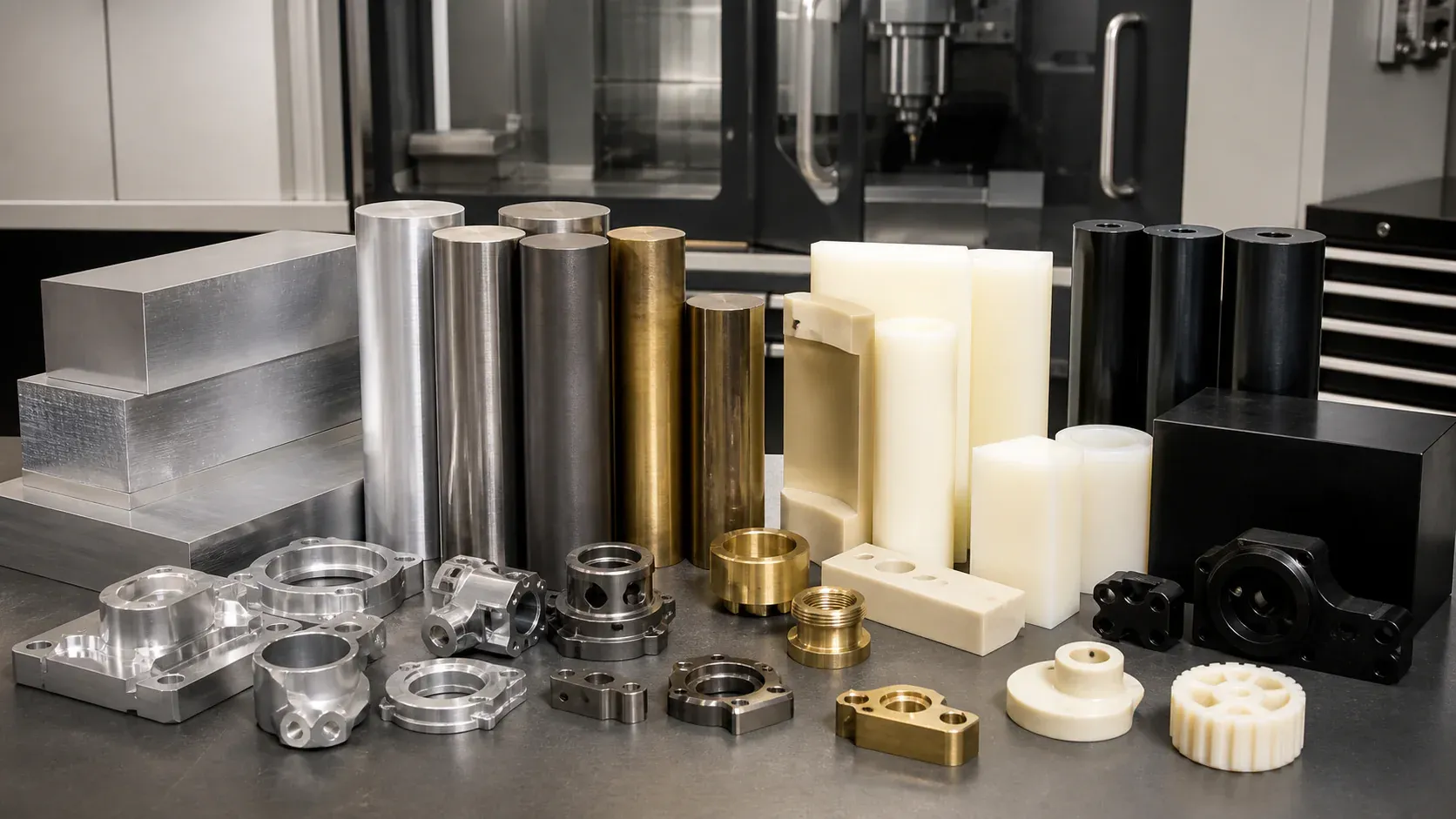
Golden Rainbow supports material and machining review for OEM components in aluminum, stainless steel, titanium, brass and engineering plastics. Grade, condition, geometry, functional requirements and inspection needs are evaluated together before capability is confirmed.
Share the current drawing and revision with the exact material specification, condition, quantity, surface requirements and any material documentation needs.
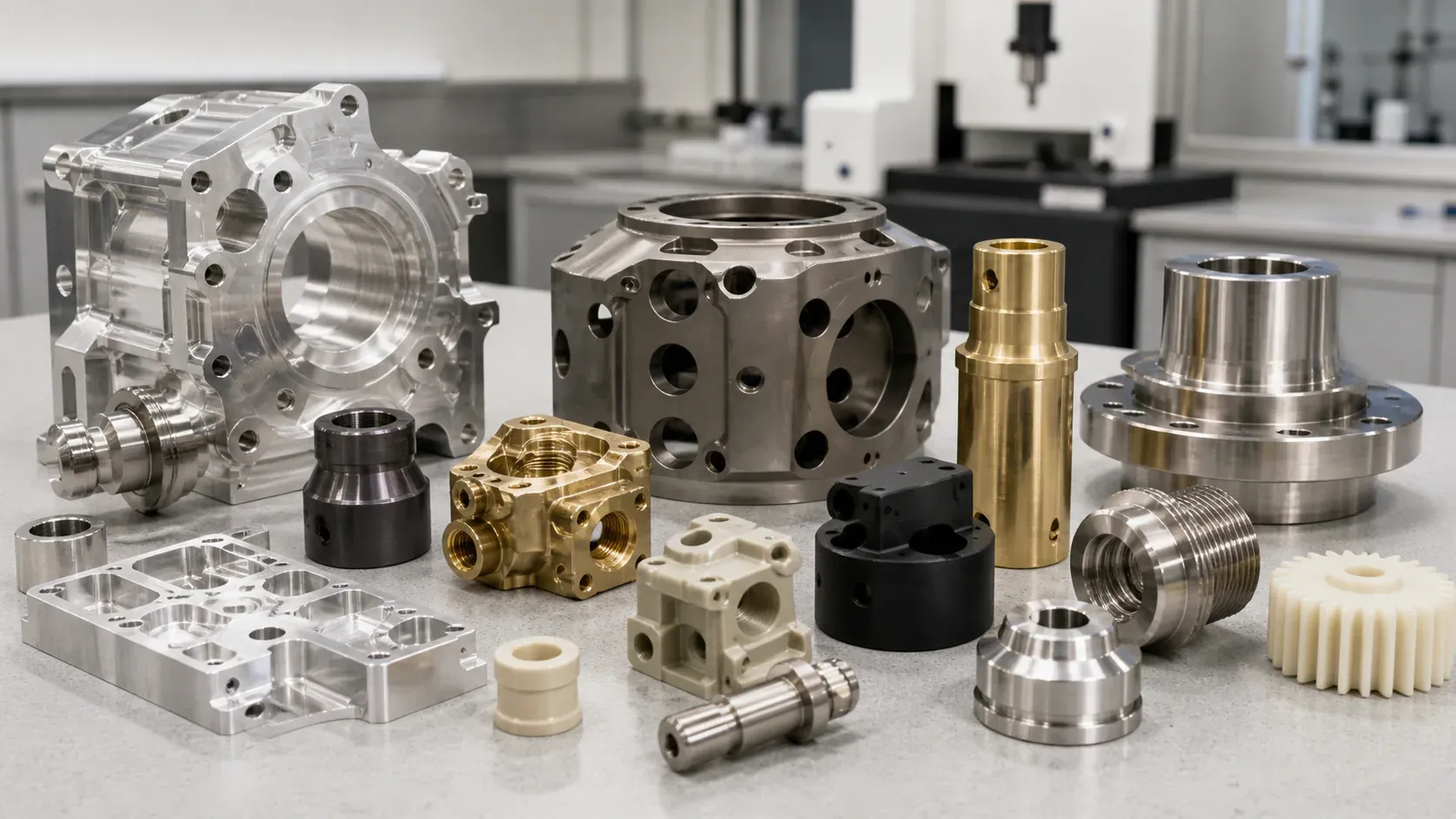
Material grade, geometry, machining route and quality requirements reviewed as one project scope.
Representative CNC machined components in common metal and engineering plastic material families.
OEM component requirements
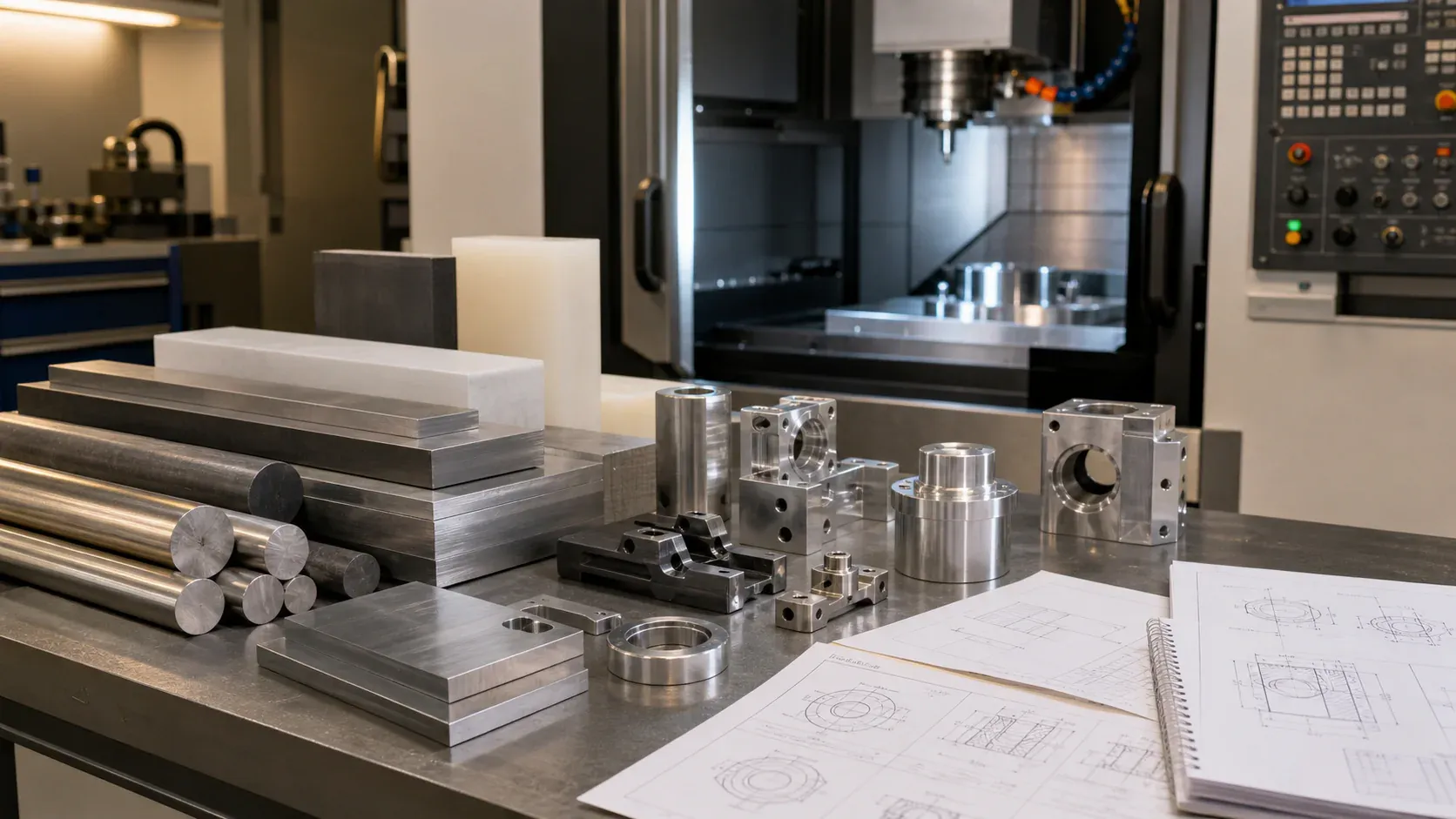
MATERIAL SELECTION SUPPORT
Material choice affects cutting behavior, tool access, workholding, dimensional stability, burr formation, surface condition and inspection planning. Golden Rainbow reviews the specified grade and condition against the component geometry, functional interfaces, production requirements and the proposed CNC milling, turning, Swiss machining or Wire EDM route. Final material selection remains tied to the customer drawing and application requirements.
The current drawing, revision, material grade, condition and applicable customer requirements establish the technical baseline.
Geometry, stock form, workholding, tool access, thermal behavior and edge requirements are considered together.
Functional surfaces, appearance, inspection scope and material documentation needs are confirmed before quotation.
MATERIAL FAMILIES
Machinability and final component behavior vary by grade, temper or condition, stock form and geometry. The exact material specification and capability are confirmed for each drawing rather than assumed from a broad material family.

Often considered for lightweight housings, brackets, plates and thermal components; alloy, temper, surface finish and dimensional stability are reviewed.
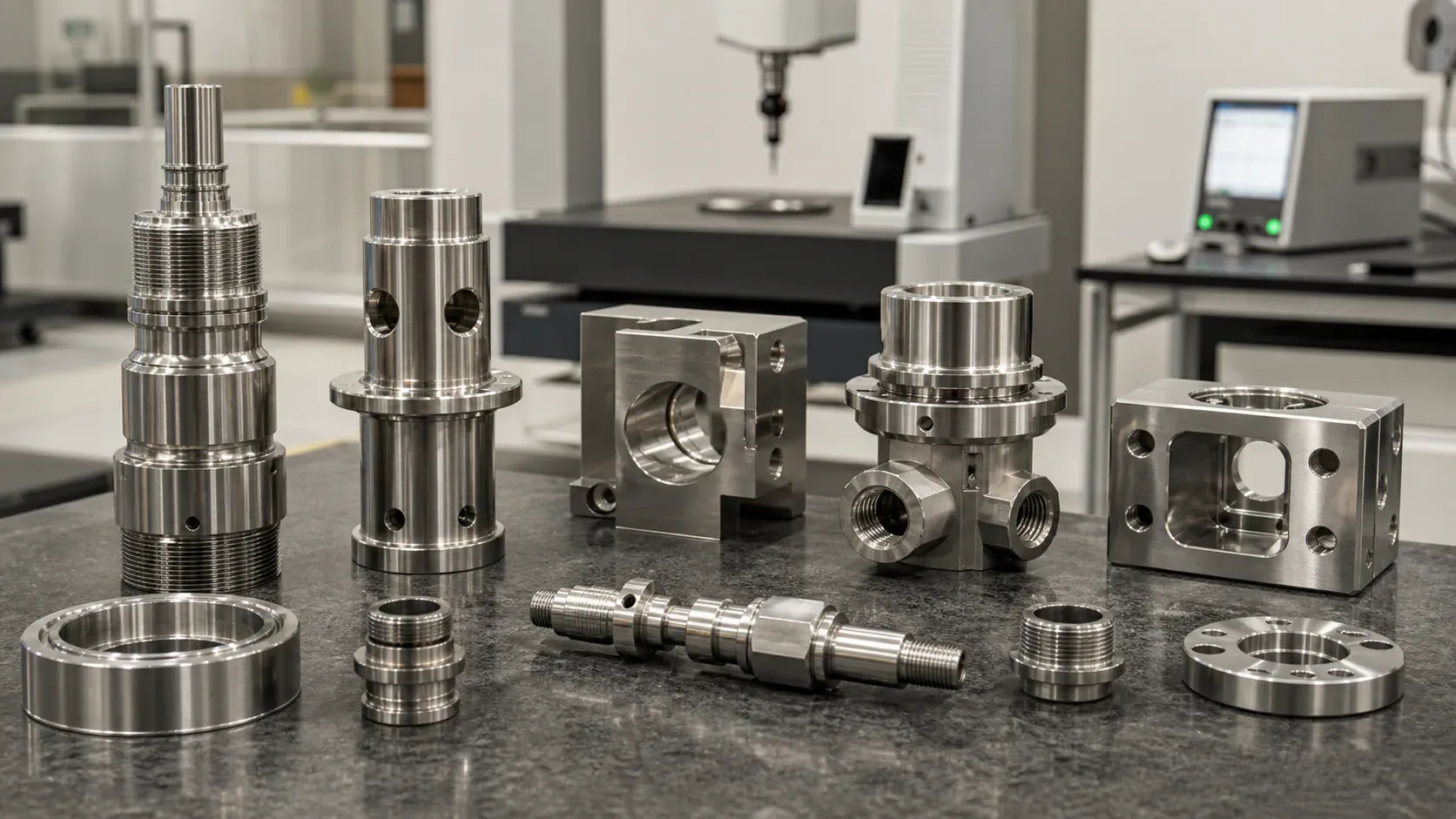
Used for shafts, fittings, housings and functional components where grade, work hardening, heat condition and surface requirements influence planning.
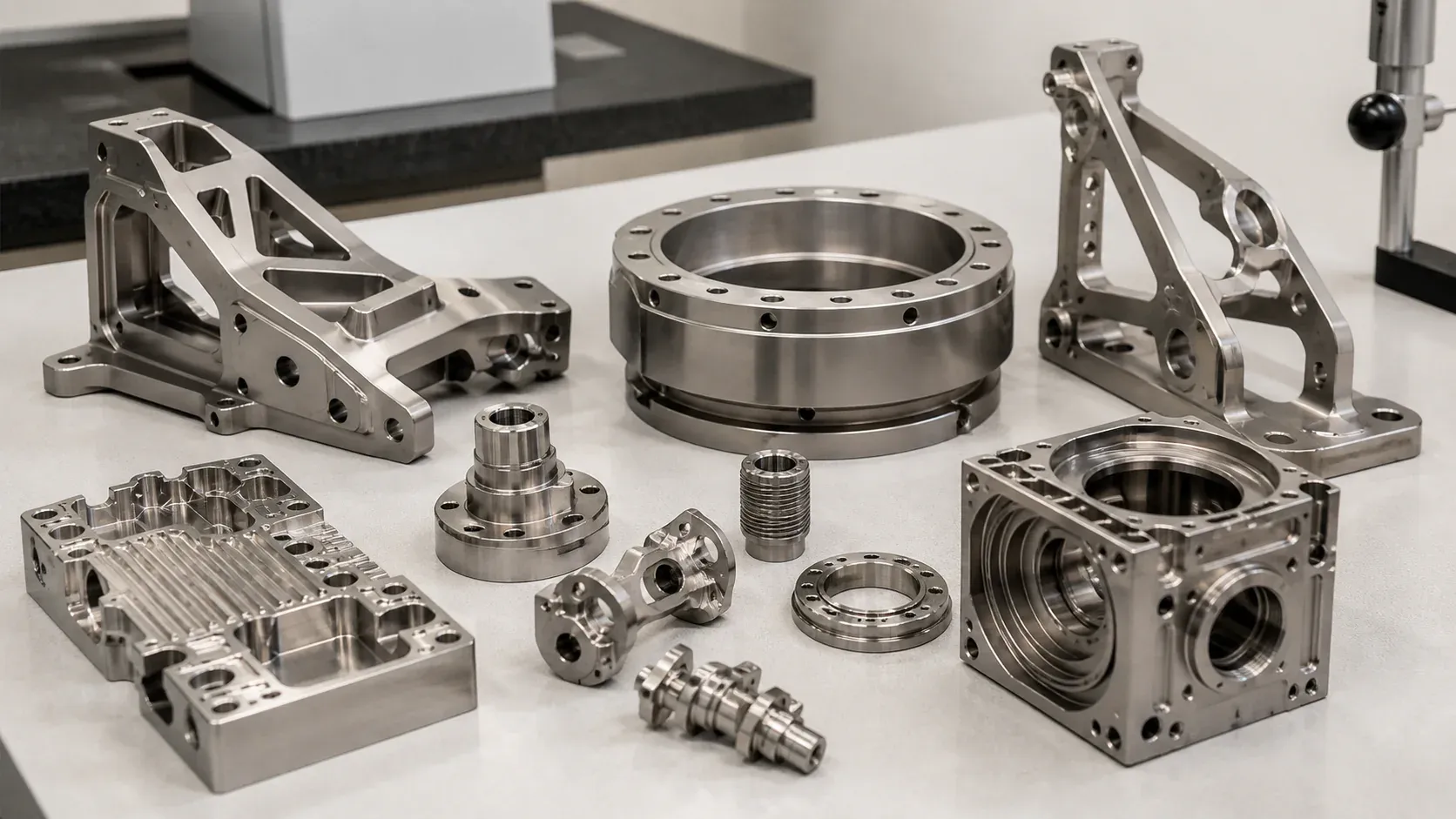
Reviewed for grade, heat condition, tool access, heat management, feature geometry, edge requirements and the required verification method.
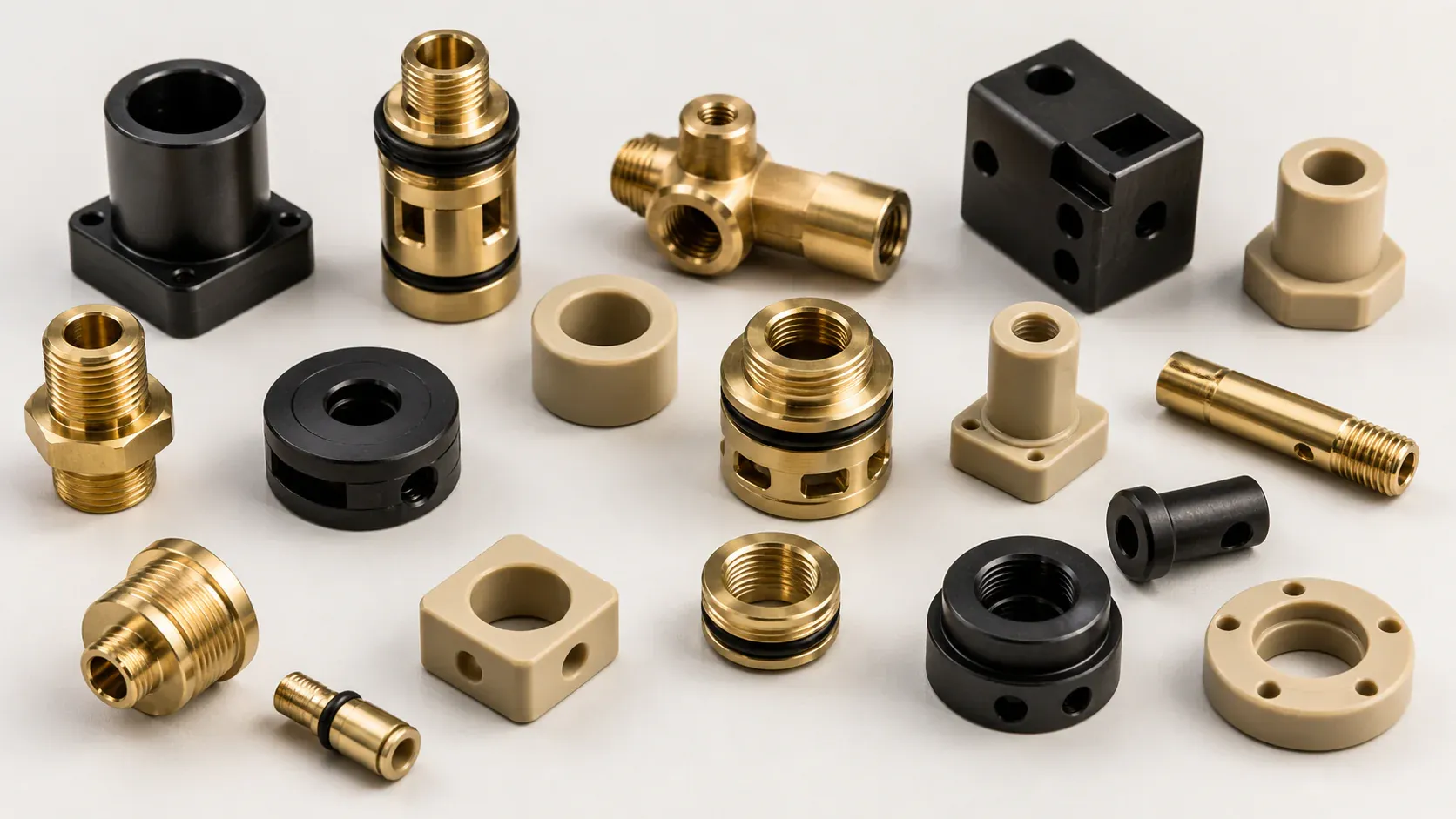
Brass, POM-type, PEEK-type and other specified materials are assessed for geometry, threads, burr or stress behavior, surface condition and handling.
MACHINING CONSIDERATIONS
Material family alone does not define machinability. Grade, temper, heat treatment, stock condition, wall thickness, feature density, tolerance relationships, surface finish and quantity can change the preferred setup and inspection approach. Golden Rainbow confirms capability after reviewing the complete drawing and selected measurement method; no universal tolerance is stated across all materials and geometries.
Cutting behavior, work hardening, heat generation, burr formation, tool wear and surface expectations are reviewed by grade and condition.
Thermal response, moisture behavior, stress, flatness, wall thickness, stability and handling are considered for the specified polymer.
Stock form, material certification needs, heat treatment and surface finishing are coordinated only where included in the approved project scope.
QUALITY CONNECTION
Quality planning starts with the approved drawing, material specification and acceptance criteria. Material identity, condition, critical features, surface requirements and requested records are aligned before production.
Confirm the current drawing, material specification, applicable condition and customer documentation requirements.
Monitor selected features and material-sensitive process conditions at planned production stages.
Verify the finished component against the drawing, material requirements and agreed inspection and documentation scope.
START YOUR MATERIAL REVIEW
Share the drawing and material specification so Golden Rainbow can evaluate grade, condition, geometry, machining route, quantities, surface requirements and inspection needs as one manufacturing scope.
Current drawing and revision
Include the 3D model when available and identify critical features and functional interfaces.
Exact grade and condition
State alloy, temper, heat treatment, polymer designation or approved equivalent requirements.
Prototype and production needs
Provide requested quantities, annual-volume context and the required project date.
Inspection and records
Define critical dimensions, surface requirements and any material or inspection documentation needed.