Sep 22, 2026CNC Machining
Swiss CNC Machining: When Small, Complex Parts Demand It
Learn when Swiss CNC machining is the right choice for small, slender, feature-dense parts — and when a conventional CNC lathe is the better option.
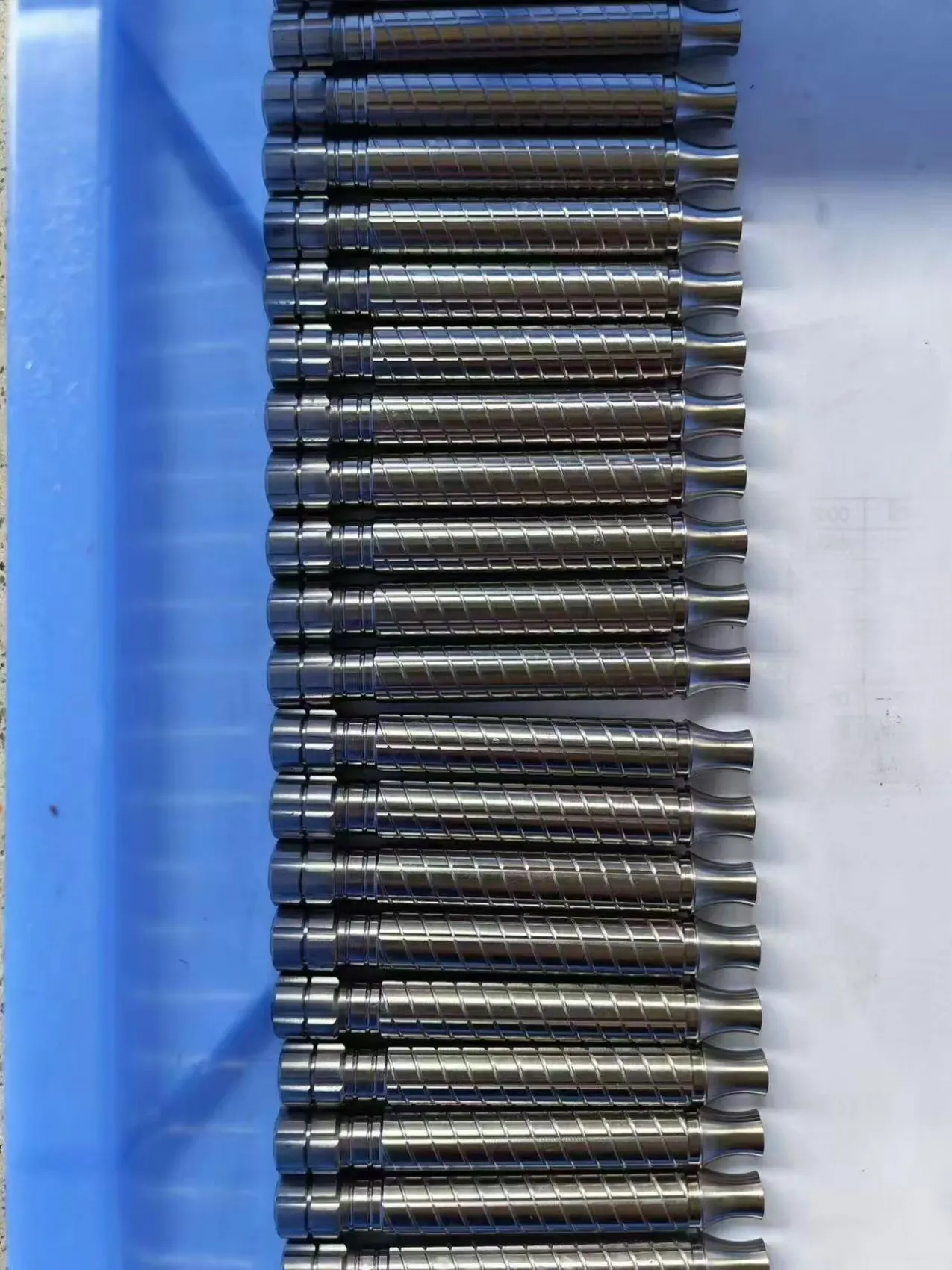
Every machine shop has seen the same drawing. A pin no thicker than a pencil lead, three grooves, a cross-hole, and a straightness callout that leaves no room for deflection. On a conventional lathe, that part becomes a fight: the moment the cutting tool engages, the workpiece pushes away, and the tolerances at each end drift out of agreement.
That problem has a name — and a purpose-built answer: Swiss CNC machining. It is not a "better version" of a CNC lathe. It is a different way of holding and cutting the workpiece, and it rewards a very specific kind of part. Knowing when to specify it — and when not to — saves quote cycles, lead time, and cost.
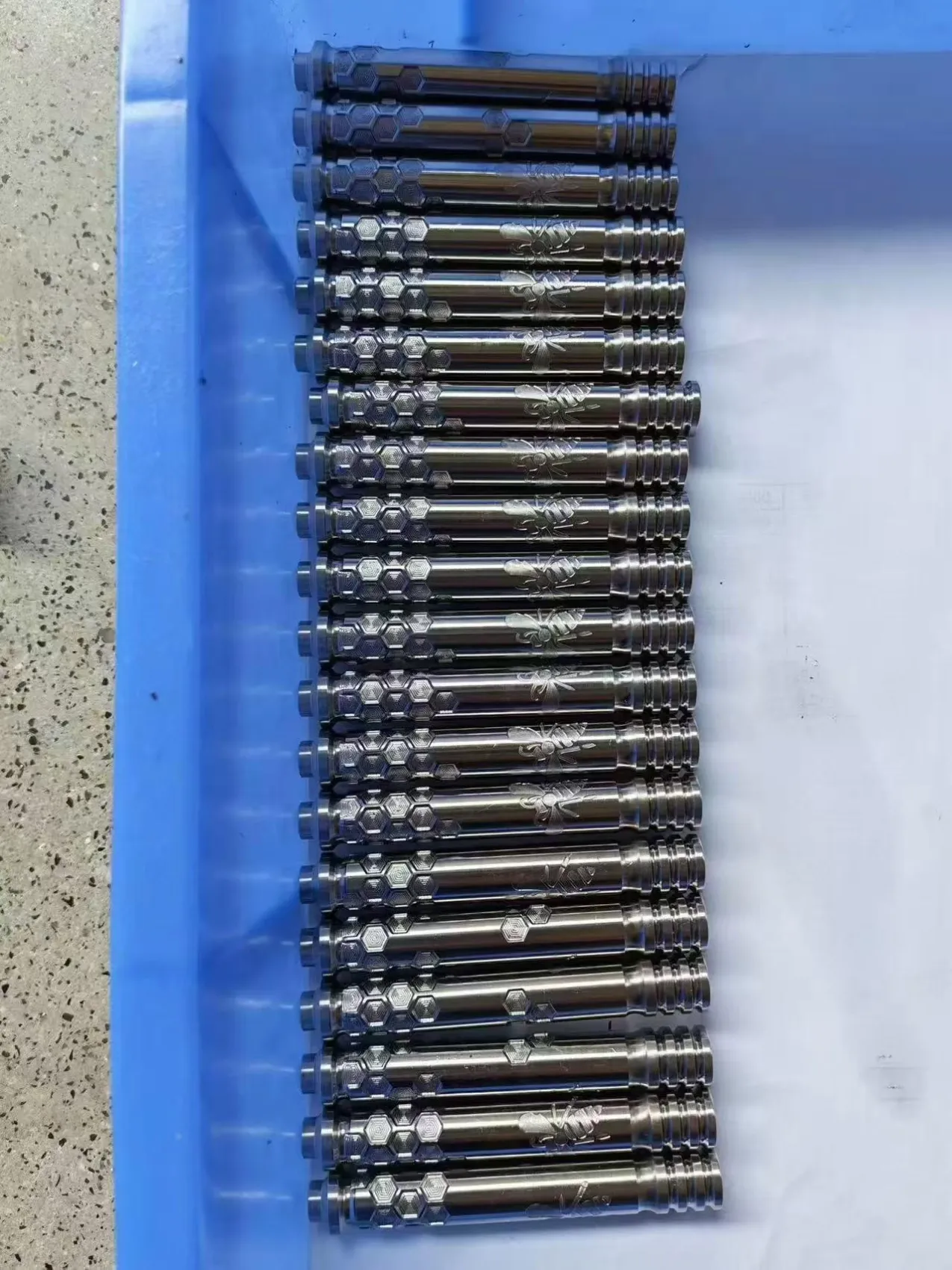
What Is Swiss CNC Machining?
In Swiss-type machining, bar stock feeds through a sliding headstock and passes through a guide bushing. The cutting tools sit immediately next to the bushing, so the workpiece stays closely supported right where metal is being removed. The headstock feeds the bar forward as the tools cut — the part moves, the tools mostly stay put.
Conventional CNC turning works the opposite way: the workpiece is clamped at one end in a chuck and hangs unsupported while the tools travel along it. For short, rigid parts, that is perfectly fine. For long, thin, delicate geometry, that unsupported length is exactly where diameter drift, chatter, and straightness problems begin.
The guide bushing is the whole point. Support at the point of cut is what allows small diameters, high length-to-diameter ratios, and fine surface finishes to hold consistently across an entire production batch.
5 Signs Your Part Is a Good Fit for Swiss Machining
- Small diameters — parts measured in single millimeters rather than tens of millimeters.
- Slender geometry — length-to-diameter ratios where deflection, not cutting force, becomes the main risk.
- Feature-dense profiles — grooves, threads, cross-holes, and shoulders packed along a single body.
- Tight feature-to-feature relationships — concentricity and diameter relationships between features at opposite ends of the part.
- Volume — batch quantities where per-part cycle time and batch-to-batch consistency compound into real savings.
If a drawing combines two or more of these, Swiss machining usually wins on both quality and total cost — not just on one of them.
When a Conventional CNC Lathe Is the Better Choice
Swiss machining is not automatically "higher precision." A short, stiff part — say a fitting with a 2:1 length-to-diameter ratio — can be held accurately in a conventional lathe with no guide bushing at all. In those cases, conventional CNC turning is often faster to set up and more economical, especially at prototype quantities.
Large diameters are another boundary. Swiss-type bar feeding works best with stock sized close to the finished part; large, chunky components belong on chucked machines. And for one-off pieces where the drawing may still change, the bar-stock commitment of a Swiss setup can wait until the design stabilizes.
An honest manufacturing partner should tell you when standard CNC turning covers the requirement. Learn more about our CNC turning services.
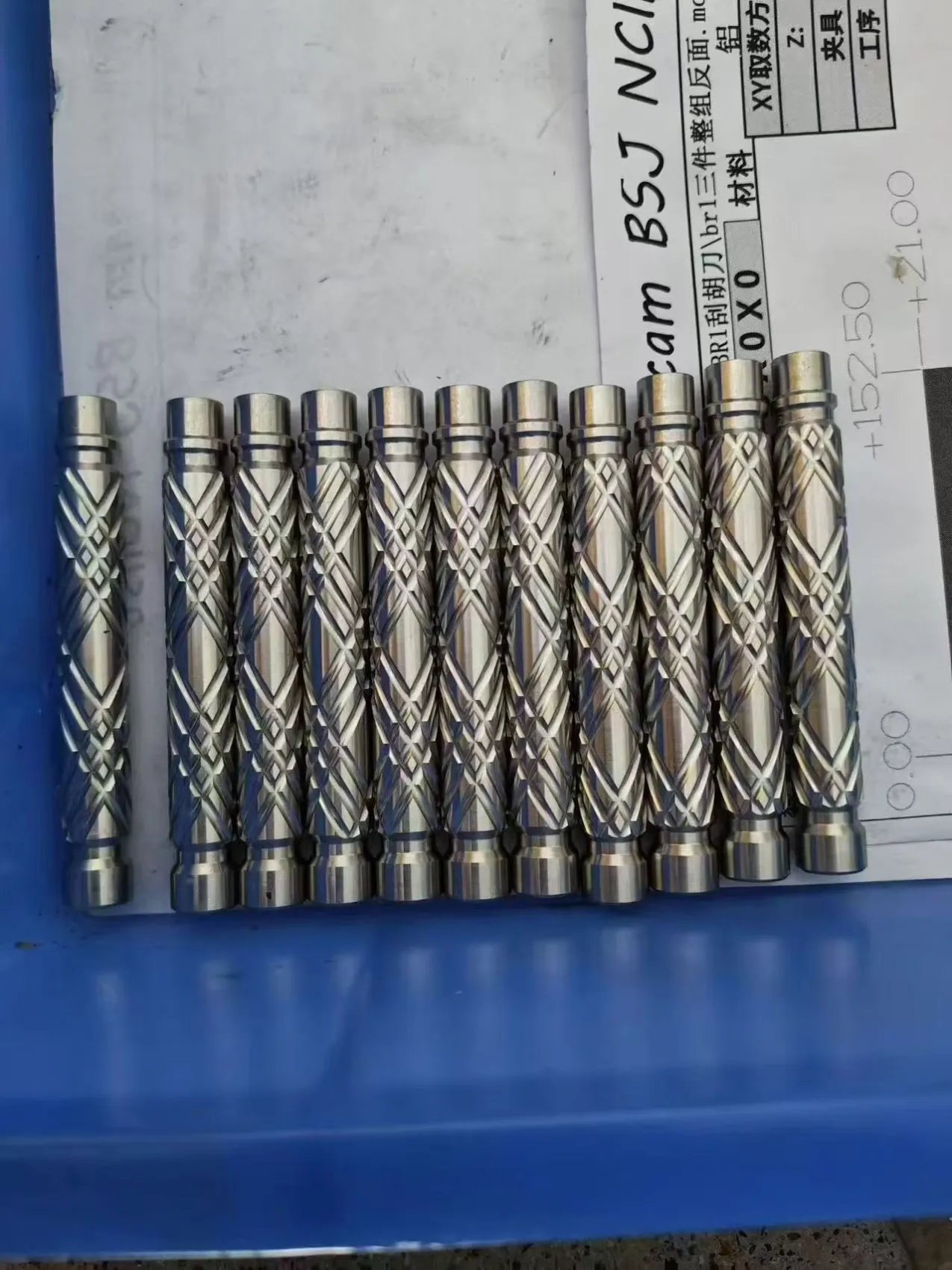
What Swiss Machines Can Do in One Setup
With the right tooling layout, a Swiss-type machine combines multiple operations into a single pass of the bar:
- Turning — multiple diameters and tapers along one body.
- Drilling and threading — axial features carried deep into small parts.
- Grooving — narrow slots and relief grooves without re-fixturing.
- Cross features — cross-holes and milled flats via driven tooling, where the equipment and drawing allow.
- Parting and transfer — finished parts cut off and handed over to secondary operations.
Combining operations is always conditional on the drawing: feature relationships, tolerances, and inspection requirements decide what shares a setup — and what moves to a secondary process.
Materials Swiss Machines Handle Well
Stainless steels, carbon steels, aluminum, and copper alloys are all routine in Swiss-type work. What changes between them is behavior at the cut: work-hardening tendency, chip control, burr formation, and the surface finish the drawing demands.
Bar-stock condition matters as much as grade. Draw quality, tolerance class, and straightness are reviewed together with the material, because feed consistency through the guide bushing depends on it. For a broader comparison of common alloys, see our materials guide.
How We Review a Swiss Machining Drawing
Every Swiss machining quote starts from the current drawing and revision — not from a part description. The review covers:
- Diameter relationships between features along the body.
- Straightness intent and how the guide bushing will support it.
- Bore-to-outer-diameter relationships and wall condition.
- Length-to-diameter ratio and deflection risk at the cut.
- Burr-sensitive features and surface requirements.
- Measurement access — how each callout will actually be inspected.
This review decides what runs in one bar-fed setup and what (if anything) moves to secondary operations. It is also where quoting questions surface early — before they become production surprises.
From Prototype to Repeat Production
Swiss-type machining supports both ends of the product lifecycle. The same drawing-led review, bar-stock planning, and inspection routine carry a part from first articles into controlled repeat production — so a validated design does not need to change process routes as volumes grow.
Request a Swiss Machining Quote
If your drawing combines small diameter, slender geometry, and feature density, send it for a Swiss machining review — including the critical diameters, material condition, and the callouts that concern you most.
Related reading: CNC Machining Tolerance Stack-Up: Solving Assembly Problems · CNC Machining Assembly Problems: Why Parts Fail to Fit.