Electroless Nickel vs Zinc Plating for Steel Parts: Which One Your Part Actually Needs
Zinc plating and electroless nickel both stop steel rusting, but they fail in different ways. Choose by environment, wear and tolerance — not by colour.
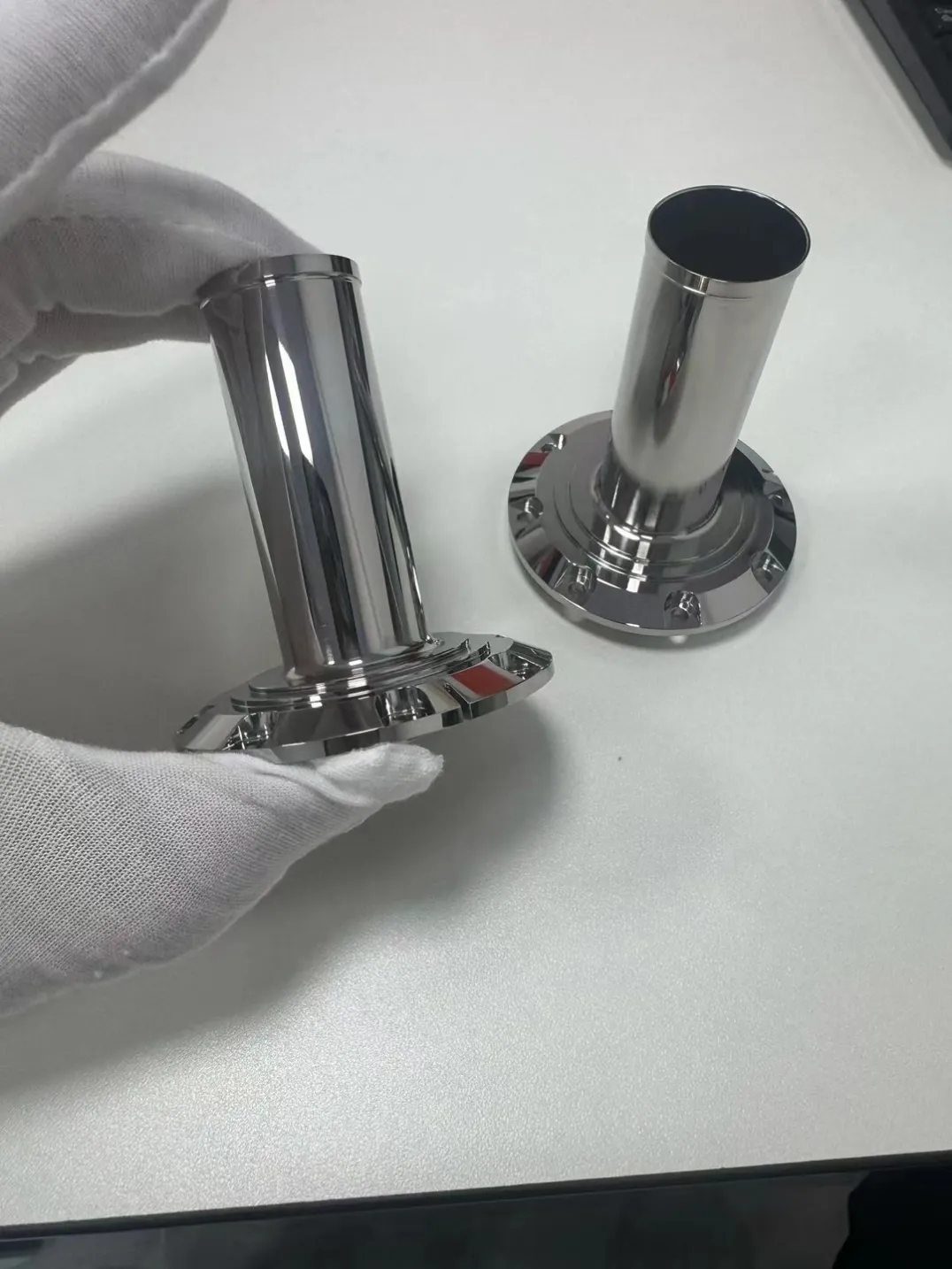
Electroless Nickel vs Zinc Plating for Steel Parts: Which One Your Part Actually Needs
A steel bracket passes inspection, gets plated, ships, and arrives with rust blooming around the bolt holes. Or the opposite problem: a plated part comes back from the finisher and the screws no longer fit — the plating ate the thread clearance, and nobody allowed for it on the drawing. Both failures come from the same mistake. The buyer picked a coating the way most people do: by colour, by habit, or by whatever the last supplier used. Zinc plating and electroless nickel are the two coatings buyers reach for most often on steel parts, and they solve different problems. Pick the wrong one and you pay for it twice — once for the coating, once for the rework. This article explains what each coating actually does, where each one fails, and what to write on the drawing so the part comes back fitting and staying rust-free.
Zinc plating: cheap, thin, and sacrificial
Zinc plating puts a thin layer of zinc on the steel, usually by electroplating. The zinc corrodes first, protecting the steel underneath — it is a sacrificial coating. That is its whole job, and it does it well in mild conditions. A typical zinc layer is around 5–15 µm thick (typical), so it barely changes dimensions. That is why it is the default on fasteners, brackets and sheet-metal parts: it adds almost no tolerance trouble, it is inexpensive, and it comes in clear, blue or yellow passivate finishes that look tidy on an assembled product. Where it stops: zinc is soft and thin. In a damp or salty environment it is consumed, and once the zinc is gone the steel underneath rusts fast. It offers almost no wear resistance — a zinc-plated surface that slides or rubs wears through quickly. And its corrosion life is measured in months to a few years in outdoor or marine conditions (typical), not decades. If your part lives indoors, stays dry, and never rubs against anything, zinc is usually the right answer. If it lives outside or moves against another part, it is the wrong one.
Electroless nickel: the coating that goes everywhere, evenly
Electroless nickel is deposited chemically, without electric current. That one difference changes everything about how it behaves: the coating follows the shape of the part, so it lands almost the same thickness on flat faces, inside bores, in recesses and on sharp edges. Electroplating cannot do that — it builds up on edges and thins out in recesses. It is also much harder and more wear-resistant than zinc, and it resists corrosion far longer in damp and mildly chemical environments. A typical electroless nickel layer is around 12–25 µm thick (typical) — thicker than zinc, and hard enough to protect surfaces that slide, rotate or get handled repeatedly. The price is real: electroless nickel typically costs several times more than zinc plating for the same part (typical), and the extra thickness matters on tight fits. A bore toleranced to ±0.05 mm can lose a meaningful share of its clearance to a 25 µm coating on each side. Threads need the same allowance — a plated thread that was drawn at nominal size will bind. None of this is a reason not to use it. It is a reason to allow for it on the drawing before the part is machined.
How to choose: five questions, not one habit
Ask these in order, and the choice mostly makes itself. First, where does the part live? Indoors and dry points to zinc. Outdoors, damp, or near salt points to electroless nickel — or to a different base material altogether, such as stainless steel. Second, does anything rub, slide or rotate against the coated surface? If yes, zinc will wear through. Electroless nickel's hardness is the point. Third, how tight are the fits? A thread, a press fit or a close-tolerance bore needs the coating thickness written into the drawing as an allowance. Zinc's thin layer is forgiving here; electroless nickel's thicker layer needs a deliberate callout. Fourth, what does the part need to look like? Zinc gives a bright or slightly bluish finish; electroless nickel gives a uniform satin grey. Neither is a colour match for paint, and neither should be specified by a paint colour code. Fifth, what is the cost of failure? A rusted bracket on a hidden frame is an annoyance. A corroded part inside a customer's machine is a warranty claim. The more expensive the failure, the more the extra cost of electroless nickel is worth paying.
What to write on the drawing
A coating callout that only says "plated" is not a specification — it is a guess the finisher has to make. Write enough that any finisher produces the same result: The coating and the standard it follows, for example "zinc plating, clear passivate" or "electroless nickel plating". The thickness range, for example "8–12 µm" for zinc or "15–25 µm" for electroless nickel (typical ranges — confirm the exact value with your finisher at quoting). Which surfaces are coated, and which are masked — threads, bores and mating faces should be called out explicitly if they need masking or a thickness allowance. Whether the dimension on the drawing is before or after coating. This one line prevents most fit problems: state "dimensions apply after plating" or give the pre-plating size. If you are not sure which coating your part needs, send the drawing and describe the environment the part lives in — indoor, outdoor, wet, sliding contact. A supplier who knows the environment can confirm the choice at quoting. A supplier who only sees the word "plated" cannot.
Quick reference
- Zinc plating: thin layer, typically around 5–15 µm (typical). Cheap, barely changes dimensions, sacrificial protection. Best for indoor, dry, non-wearing parts.
- Electroless nickel: uniform layer even in bores and recesses, typically around 12–25 µm (typical). Harder, far better wear and corrosion resistance. Costs several times more than zinc (typical).
- Wear: zinc wears through quickly on sliding surfaces; electroless nickel is the choice where parts rub or rotate.
- Tight fits: allow for coating thickness on threads, bores and press fits. A 25 µm layer on each side can close a close-tolerance fit.
- Environment: dry and indoor — zinc is usually enough. Damp, outdoor or salty — electroless nickel, or consider stainless steel as the base material.
- Drawing callout: name the coating, the thickness range, masked surfaces, and whether dimensions apply before or after coating.
Frequently Asked Questions
Q1: Can I just specify "zinc plating" and leave the rest to the finisher?
A: You can, but the thickness, passivate colour and masked surfaces will be guessed. Write the thickness range and which faces are masked, or expect variation between batches.
Q2: Will electroless nickel change my part's dimensions?
A: Yes. A typical layer is around 12–25 µm (typical), so a bore or thread loses that much on each side. State on the drawing whether dimensions apply before or after coating.
Q3: Which coating is better for outdoor parts?
A: Electroless nickel, in most cases — it resists corrosion far longer than zinc in damp or salty conditions. For severe exposure, consider stainless steel as the base material instead.
Q4: Does zinc plating protect threads?
A: It protects them from rust, but it adds little wear resistance and can change thread fit slightly. For threads that are assembled and removed often, electroless nickel holds up better.
Q5: How do I choose if I am not sure about the environment?
A: Describe where the part lives — indoor, outdoor, wet, sliding contact — when you send the drawing. We confirm the coating choice with you at quoting, before machining starts.
Send your drawing for a quote and a manufacturability check — we reply within one working day. Request a quote