CNC Machining
Does Your Part Actually Need Heat Treatment? When to Specify It — and When It Only Adds Cost and Distortion
Before writing "heat treat" on your drawing, check if the part needs it. When to specify it, when to skip it, and where it belongs in the machining sequence.
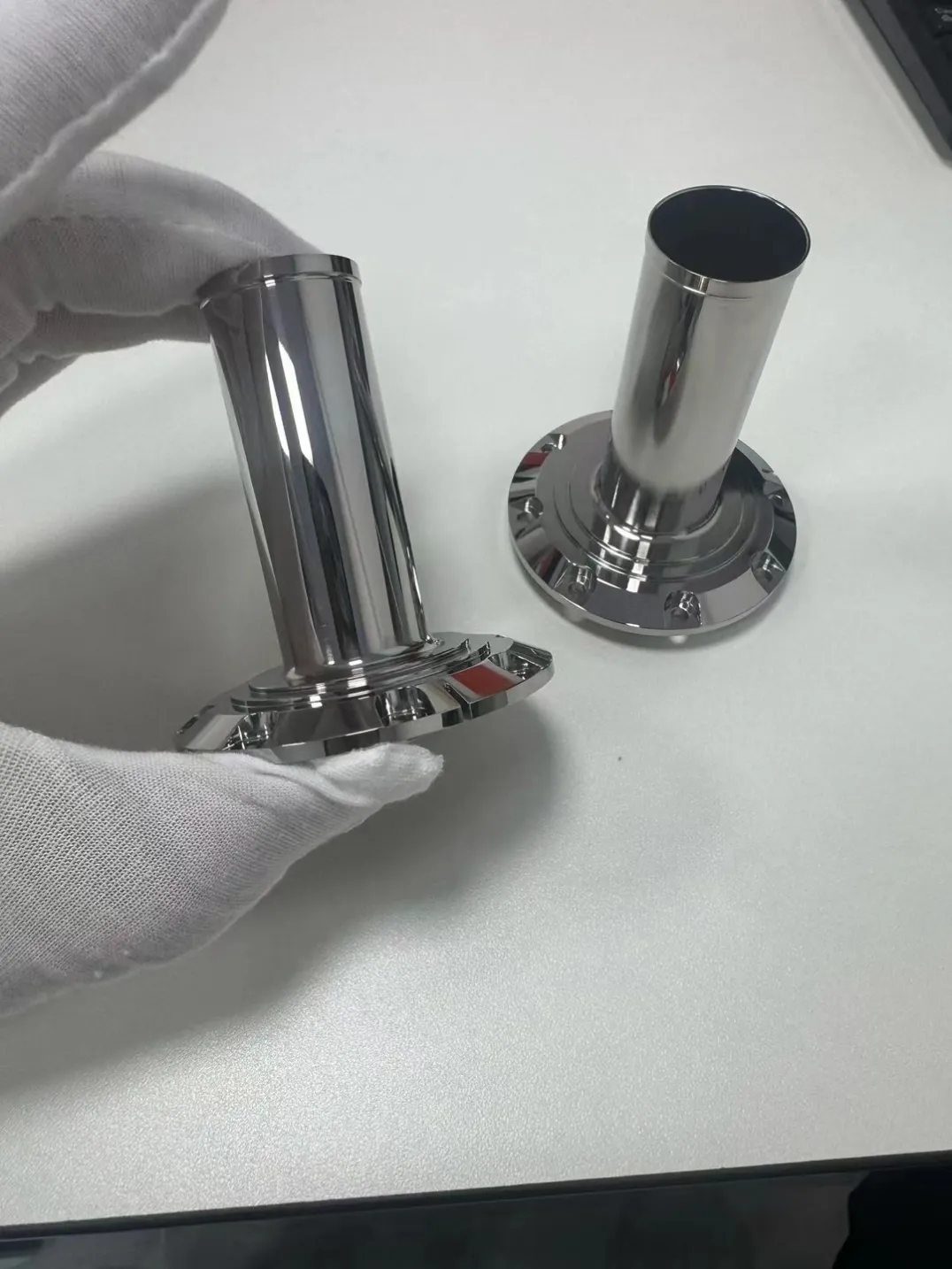
Does Your Part Actually Need Heat Treatment? When to Specify It — and When It Only Adds Cost and Distortion
1. Why “Heat Treat” Ends Up on Drawings That Don't Need It
Most heat treatment on a drawing was not decided. It was copied. An engineer reuses an old drawing, the old drawing says "heat treat to 40 HRC," and the note survives into a part that never needed it — a bracket that holds a sensor, a cover that never sees a load, a spacer that only has to stay the same size.
The cost of that copied note is real. Heat treatment adds a process step, adds days to the lead time, and — the part buyers forget — moves the metal. Every thermal cycle changes dimensions a little. A part that measured perfectly before the furnace can come back warped, and the only fix is another machining pass or a scrapped part. So the first question is never "which heat treatment?" It is "does this part need one at all?"
2. What Heat Treatment Actually Buys You — and What It Costs You
Heat treatment changes the inside of the metal, not the shape. It buys three things: hardness (resistance to wear and denting), strength (resistance to bending and breaking under load), and stability (less movement later, because internal stresses from machining are relieved). What it never buys is precision. It trades precision away, temporarily, and you buy it back with a finishing pass afterward.
The five options a buyer actually encounters:
Spec card 1 — Stress relief. Heats the part and cools it slowly to relax the internal stresses left by machining. Hardness barely changes. Distortion risk: low. Typical use: a part that must hold tight tolerances over months, or a part that will be machined further and must not move between operations.
Spec card 2 — Quench and temper. Heats steel, cools it fast to harden it, then reheats it gently to restore toughness. Typical hardness for 4140 after quench and temper is around 28–38 HRC. Distortion risk: high, especially on long or thin parts. Typical use: shafts, gears, and structural parts that carry real loads.
Spec card 3 — Case hardening (carburizing). Adds carbon to the surface so the outside goes hard while the core stays tough. Typical surface hardness is around 58–62 HRC with a softer core. Distortion risk: medium. Typical use: gears, splines, and cam followers — parts that wear on the surface and take shock in the core.
Spec card 4 — Nitriding. Hardens the surface without a quench, so it moves the part least of the hardening processes. Typical surface hardness is around 60–70 HRC equivalent. Distortion risk: low. Typical use: precision bores, spindles, and screws where a tight tolerance must survive the treatment.
Spec card 5 — Solution treat and age (aluminum T6). Heats aluminum alloy, quenches it, then ages it to raise strength. This is how 6061-T6 and 7075-T6 get their strength — most aluminum bar stock already arrives in the T6 temper, so check what you are buying before you specify a treatment you already have. Distortion risk: medium on thin sections.
3. Four Questions That Settle Whether You Need It
Work through these before you write anything on the drawing:
Does anything rub, roll, or slide on this part? A gear tooth, a bearing journal, a sliding face — wear is the clearest reason to harden. If nothing moves against the part, hardness buys you nothing.
Does it carry a load that could bend or fatigue it? A shaft under torque, a bracket that flexes every cycle. Static parts that just sit in place rarely need treatment.
Will it be machined again after this operation? If the part gets finish-machined, welded, or assembled into something that is then machined, untreated material machines more predictably — and you can treat it once, at the end, if the finished part needs it.
Does the drawing already call out a hardness number? If no hardness is specified anywhere and the part passes its functional checks as machined, the honest answer is usually to skip it. A missing hardness callout is itself an answer: nobody who designed the part thought it needed one.
If all four answers are no, leave heat treatment off the drawing. You save a process step, a few days of lead time, and the distortion risk that comes with it.
4. Where Heat Treatment Belongs in the Machining Sequence
Order matters more than the process name. The sequence that works for most parts is: rough machine, heat treat, then finish machine. Rough machining leaves extra material — a stock allowance of 0.2–0.5 mm on critical surfaces (typical) — the treatment moves the part, and the finishing pass brings it back to size. The finishing pass is what protects your tolerance, not the furnace. 5-axis CNC machining
The sequence that causes trouble is the reverse: finish machine first, then heat treat. A part that was inside tolerance before the furnace can emerge from it out of tolerance, and at that point there is no material left to correct it with. The only remedies are straightening, rework, or scrap — all charged to the order.
Two practical consequences follow. First, tell your supplier where the treatment sits in your sequence, or ask them to confirm the sequence when they quote — a supplier who plans the finishing pass after treatment has already accounted for distortion. Second, expect the lead time to grow: treatment is usually an outside step, and the extra handling and the finishing pass add days. As a rough guide, samples run 3–7 working days and production 10–15 working days before any treatment cycle is added, so build the extra time into your schedule rather than discovering it at the deadline.
5. How to Write It on the Drawing So Your Quote Comes Back Right
A note that says "heat treat" and nothing else leads to a quote that comes back wrong — or two quotes that cannot be compared. Write the requirement the way the furnace operator needs to read it:
- Material grade first. Treatment only makes sense against a named grade — 4140, 440C, 6061 — not against "steel" or "aluminum."
- A hardness range, not a single number. Write "28–35 HRC," not "30 HRC." A range is achievable; a single number is a dispute waiting to happen. Say where it is measured, too — surface, core, or a named location on the part.
- Case depth if the surface is treated. For carburizing or nitriding, give the depth as a range, for example 0.3–0.5 mm (typical practice), and say where it is measured.
- What happens after treatment. State plainly whether critical surfaces are finish-machined after treatment, so the supplier quotes the finishing pass instead of assuming the part ships straight from the furnace.
- What the quote should itemize. Ask at quoting what the quote covers: treatment, fixturing, straightening if needed, hardness checking, and the finishing pass — line by line. A quote that lists only "heat treat" hides the rework cost until the part arrives.
One last check before you send the drawing: read the heat treatment note and ask whether the person who will use the part could explain why it is there. If the answer is "because the last drawing said so," delete the note, send the drawing as machined, and let the supplier confirm at quoting whether treatment is needed. That one question saves more money than any negotiation over the treatment price itself.
FAQs
Q1: Does every steel part need heat treatment? A: No. Many parts work fine as machined. Specify treatment only when the part needs wear resistance, strength, fatigue life, or long-term stability.
Q2: Can aluminum parts be heat treated? A: Yes — solution treatment and aging produce the T6 temper. But most aluminum bar stock already arrives as T6, so check before specifying a treatment you already have.
Q3: Will heat treatment change my part's dimensions? A: Yes, expect some movement. Long, thin parts move most. The standard fix is to rough machine, treat, then finish machine critical surfaces back to size.
Q4: Should heat treatment come before or after machining? A: Rough machine first, treat, then finish machine. Finishing before treatment risks losing the tolerance in the furnace, with no material left to correct it.
Q5: What should I write on the drawing? A: Material grade, a hardness range with where it is measured, case depth for surface treatments, and whether critical surfaces are finish-machined after treatment.
Closing
If you are unsure whether your part needs heat treatment, send the drawing and describe what the part does in service — the load, the wear, the environment. We will review it, confirm what (if anything) needs to be specified before quoting, and reply within one working day. Request a quote