CNC Machining
5 Tips for Machining Aluminium
Aluminium is easy to cut but easy to get wrong. These five practical tips — feeds and speeds, chip evacuation, tool choice, tool material, and cooling — explain how to machine aluminium cleanly and ho
Introduction
Aluminium is one of the most machined metals in the world. It is light, strong for its weight, corrosion resistant, and widely used in aerospace, automotive, medical, semiconductor, and consumer products. On paper, it is also one of the easiest metals to cut.
In practice, aluminium punishes a careless setup. It is soft, so it sticks to the cutting edge, and its chips can weld themselves to the tool. A setup that worked perfectly on steel can produce a poor finish, a broken cutter, or a part out of tolerance on aluminium. This article explains five practical things that make the difference between a clean aluminium part and a scrapped one.
Why Aluminium Behaves Differently
Before the tips, it helps to understand why aluminium needs its own approach.
Aluminium is much softer than steel, so it takes less cutting force to remove material. But because it is soft, chips can smear and stick to the cutting edge instead of breaking away cleanly. This is called built-up edge: once material sticks to the tool, the edge effectively changes shape, the finish gets worse, and cutting forces climb.
Aluminium also melts at a much lower temperature than steel. Chips that are not cleared away quickly can overheat, soften, and fuse to the tool or the part — with the same result: poor finish, lost tolerance, and shorter tool life.
The five tips below all come back to the same idea: cut cleanly, clear the chips, and keep the tool sharp.
Tip 1: Get the Feeds and Speeds Right — and Keep Them in a Narrow Window
Aluminium is normally cut at high spindle speeds. That is one of its advantages: material can be removed quickly. But high speed alone is not enough. Feed rate matters just as much, and the two have to be balanced.
If the feed rate is too slow for the spindle speed, the tool spends more time rubbing against the aluminium than cutting it. Rubbing generates heat, and heat makes chips stick. The tool dulls faster, the finish degrades, and in a deep pocket the cutter can start to pack aluminium around itself.
If the feed rate is too fast, cutting forces rise and the tool can deflect or break, especially with small-diameter cutters.
The practical rule is simple: aluminium has a narrower workable window of feeds and speeds than steel. When you change material, do not reuse the steel setup. Start from values recommended for aluminium by your tool supplier and test on a sample piece. Small changes in feed rate often matter more than a large change in spindle speed.
Tip 2: Clear the Chips — Relentlessly
Chip evacuation is the single most common cause of aluminium machining problems, and the easiest to overlook.
Aluminium produces a large volume of chips quickly. In an open face cut, chips fly clear on their own. In a deep pocket or a narrow slot, they have nowhere to go: they pile up, get recut by the tool, and heat up. Hot chips stick to the cutter and to the walls of the pocket, and the finish and tolerances suffer.
Three habits help:
- Use a shallow depth of cut when cutting deep pockets, and take more passes. This keeps the chip load per pass manageable.
- Use compressed air or coolant to blow chips out of the cut, especially in pockets and slots. Do not let chips sit in the cutting zone.
- Avoid full-width cuts in deep features. A full-diameter cut leaves chips with no escape path. A step-over of well under the full cutter diameter gives chips room to leave.
If the cut gets louder or the finish worsens halfway through a pocket, stop and check for chip packing before continuing. It is usually the cause.
Tip 3: Choose a Cutter with Room for Chips
The most important factor in choosing a cutter for aluminium is chip evacuation, and that means flute count.
Every flute takes up space that could otherwise carry chips away. For aluminium, fewer flutes are usually better: two-flute cutters are the common choice, and single-flute and three-flute tools are also used.
Fewer flutes do make the tool less rigid, so use the shortest tool that can reach the feature and watch for deflection with small-diameter cutters. A short, stiff two-flute cutter will usually outperform a long, multi-flute cutter on aluminium.
The same logic applies to tool geometry. A cutter designed for aluminium — with a polished flute surface and a higher helix angle — lets chips slide out instead of sticking. A general-purpose cutter can work, but it is not the best starting point.
Tip 4: Use the Right Tool Material
Tool material matters more than most people expect, because it decides how long the cutting edge stays sharp.
High-speed steel is generally not the best choice for aluminium at production speeds. It loses its edge quickly, and a dull edge rubs instead of cutting — which brings back the heat and sticking problems.
Carbide is the standard choice. A sharp carbide edge shears aluminium cleanly, produces a better finish, and holds its edge far longer. The practical advice is straightforward: use a carbide cutter, keep it sharp, and replace it before it starts to dull. A worn tool is not saving money — it is costing finish, tolerance, and eventually scrapped parts.
Tip 5: Cool It — and Use the Right Coating (or None)
Aluminium does not need flood coolant in every case, but it does need heat managed. Coolant or an air blast serves two purposes: it carries heat away, and it carries chips away. Both matter. In deep pockets, an air blast aimed at the cutting zone is often as important as the coolant itself, because the chips are the heat source as much as the cut is.
Coatings are where many people spend money they do not need to spend. Some popular hard coatings are designed to resist wear on abrasive materials, but on aluminium they can be rougher and more reactive with the metal than a bare tool, increasing the aluminium that sticks to the edge.
The general guidance is to use an uncoated carbide tool for aluminium, or a coating specifically designed for aluminium cutting. The right choice depends on the job, so it is worth confirming with your supplier before a production run.
What This Means for Your Aluminium Parts
Aluminium is a forgiving material in the right hands and an unforgiving one in the wrong setup. The five tips above — balanced feeds and speeds, relentless chip evacuation, low flute count, carbide tooling, and sensible cooling and coating — cover most of the problems that appear in aluminium machining.
At Golden Rainbow, we machine aluminium alongside stainless steel, brass, copper, tool steel, and titanium, using CNC milling (3-axis, 4-axis, and 5-axis milling), turning, Swiss-type turning, and wire EDM. Standard tolerance is ±0.05 mm, with critical features to ±0.01 mm subject to drawing review. MOQ starts from 1 piece, prototypes take 3–7 working days, and production takes 10–15 working days depending on quantity and complexity.
If you have an aluminium part to make, send us your drawing and we will review it and reply within 24 hours on working days.
Related reading:
FAQ
Is aluminium easy to machine?
Yes, compared with steel or titanium, aluminium takes less cutting force. But it is easy to get a poor finish if chips stick to the tool, so the setup matters.
What is the best cutter for aluminium?
A short, sharp carbide cutter with two flutes is the usual starting point, because it leaves the most room for chip evacuation.
Why does aluminium stick to the cutting tool?
Aluminium is soft and melts at a low temperature. Chips that are not cleared away overheat and weld to the cutting edge — this is called built-up edge. Good chip evacuation and a sharp tool are the main defences.
Can aluminium parts be anodized after machining?
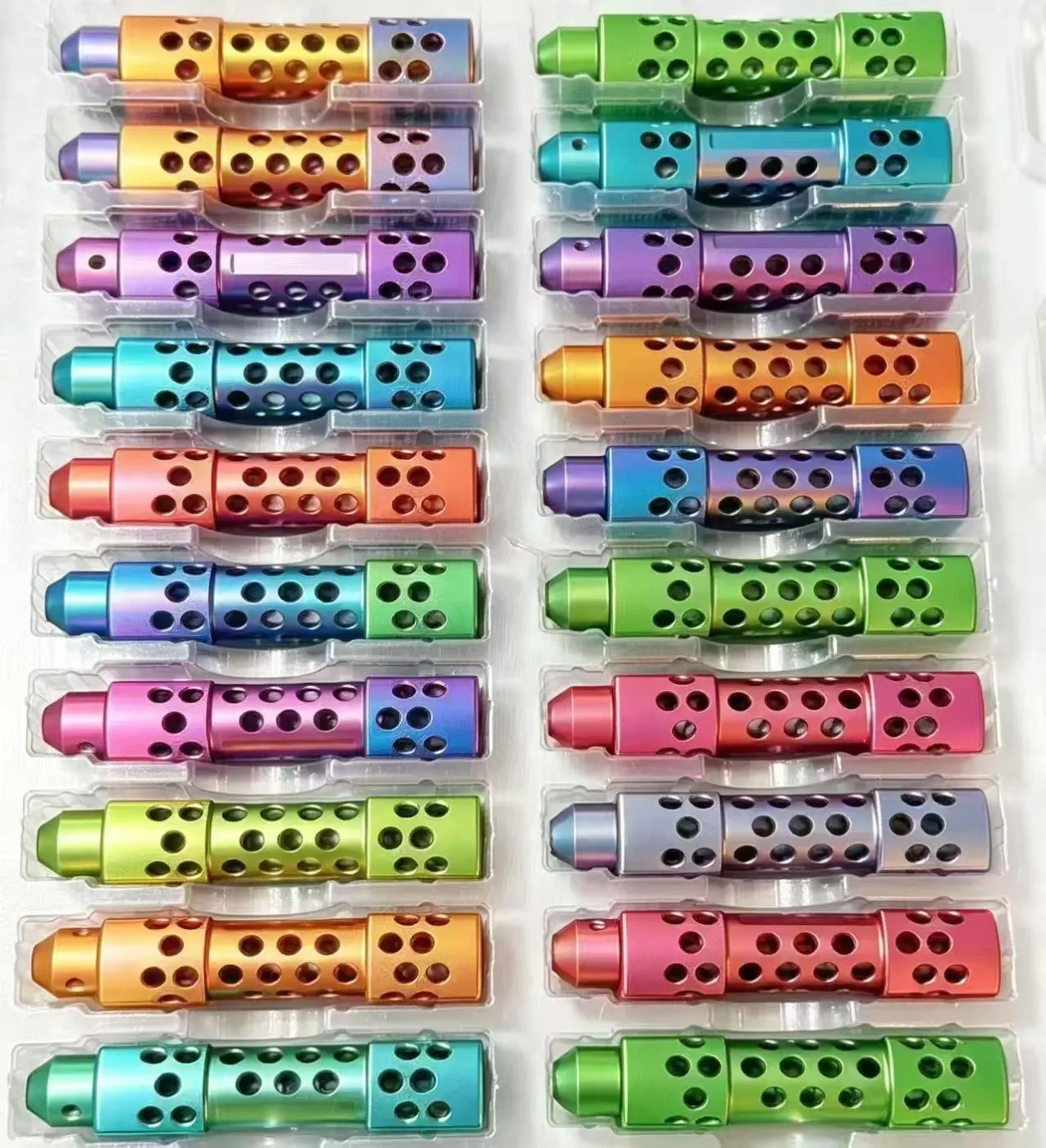
Yes. Anodizing is a common finish for machined aluminium parts and is often used for colour, wear resistance, and corrosion protection. We supply anodized aluminium parts — for example in purple and gold. Ask us about the colours available for your part.
Get a quote: Send your drawing to Stella at stellachen@goldenrainbow.com, WhatsApp +86 135 9028 8306, or visit www.goldenrainbow.com to request a quote. We reply within 24 hours on working days.