CNC Machining
Machined Parts and Sheet Metal in One Order: When One Supplier Saves Your Assembly
Ordering machined parts and sheet metal from two suppliers? Why assemblies misfit, when one order is safer, and what to put in your RFQ.
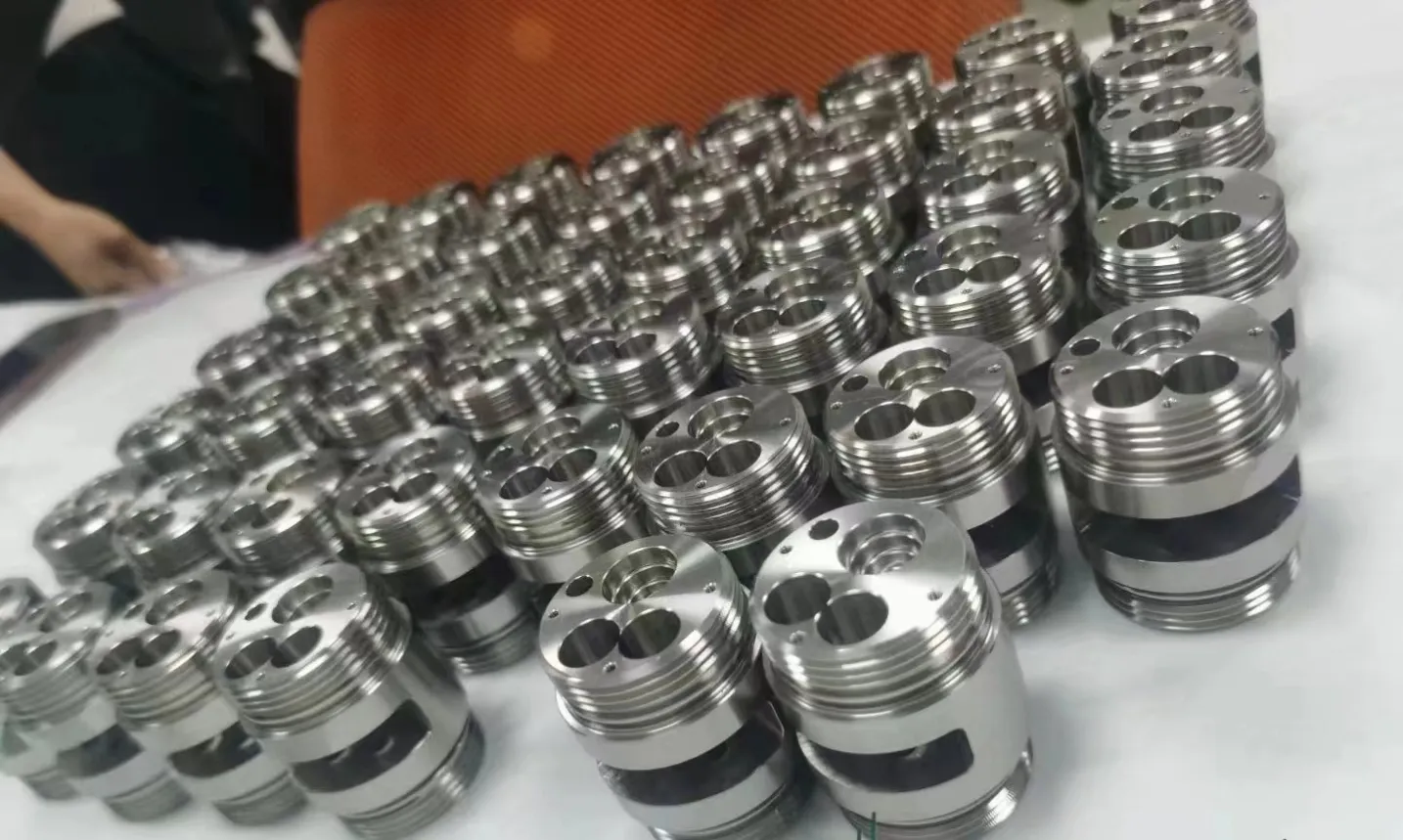
Take a common order: an equipment housing. The enclosure is sheet metal, the mounting brackets and the front panel are machined. The buyer splits the job — the enclosure goes to a sheet metal shop, the brackets to a machine shop. Both parts arrive, both pass their own inspections, and at assembly the mounting holes do not line up. Nothing was machined wrong. The two parts were simply never checked against each other, and nobody's job was to check them.
The fix is a week of emails, a reworked bracket, and a second shipment. That week usually costs more than whatever was saved by splitting the order in the first place. This article explains why that happens, when putting both parts in one order is the safer call, and what to write in the RFQ so the assembly fits the first time.
1. Nobody's drawing was wrong
That is what makes this failure so annoying: there is nobody to blame, and therefore nobody to fix it for free. Each shop worked to its own drawing and met it. The problem sits in the gap between the two drawings.
Three things create that gap. First, the hole pattern is located from a different datum on each drawing — the enclosure's holes from its edge, the bracket's holes from its own centreline. Each pattern is correct on its own sheet, and 1 mm apart when the parts meet. Second, the two part types are made to different tolerance habits: a sheet metal cover is commonly made to a looser tolerance (typically around ±0.5 mm), while a machined bracket is held to a standard tolerance of ±0.05 mm. Neither number is wrong; they were just never reconciled. Third, the finish is specified differently on each drawing, so the parts arrive looking like they belong to two different products.
When one supplier makes both parts, that gap has an owner. The assembly drawing shows both parts together, the hole patterns are dimensioned from the same datum, and the fit can be checked before anything ships. When two suppliers make them, the assembly belongs to nobody — and the buyer discovers that at the assembly bench, not at the inspection bench.
2. Three signs you should put both in one order
Not every mixed order needs one supplier. Three signs say it does:
The parts bolt together. If a machined bracket mounts onto a sheet metal enclosure, or a machined panel sits in a sheet metal frame, the two parts share an interface. Every shared interface is a place where two drawings can disagree. The more interfaces, the stronger the case for one order.
A hole pattern, slot, or mounting face has to line up across the two. A single locating hole that must match is enough. If the pattern is wrong, the part cannot be fitted at all — there is no "close enough" for a bolt hole.
You need one delivery date. Two suppliers mean two lead times, and the assembly cannot start until the slower one arrives. One order means one date, and if something slips, one phone call tells you where the whole assembly stands.
Splitting is fine when none of these apply: parts that never meet, separate assemblies that ship to different places, or a sheet metal part with no mating features at all. In those cases the cheapest capable shop for each part is the right answer, and combining them buys nothing.
3. What one supplier actually changes
The point of one order is not that the machining gets cheaper — it does not. The point is that four things stop being the buyer's problem.
One drawing package. The assembly drawing shows the machined parts and the sheet metal parts together, with the mating features marked. The shop works from the assembly, not from two unrelated drawings.
One datum scheme. Hole patterns on both parts are dimensioned from the same datum, so "correct on the drawing" and "correct at assembly" mean the same thing.
Fit checked before shipping. The bracket can be put on the enclosure and the holes checked while both parts are still in the shop. A misfit found there costs an hour. The same misfit found at your assembly bench costs a week.
One delivery, one contact. The whole assembly ships together, and when something is off, one supplier owns the answer. There is no round of emails between two shops arguing about whose drawing was right.
4. Five checks before you combine the order
These five checks are what make a combined order work. Put them in the RFQ, not in a phone call afterwards:
- Send the assembly drawing, not just the part drawings. The assembly drawing shows how the machined parts and the sheet metal parts sit together, and which features mate. Without it, the shop is guessing at the interface just like two separate shops would.
- Dimension hole patterns from the same datum on both drawings. If the enclosure's holes are located from its left edge and the bracket's from its centreline, ask for one common datum before production starts.
- Call out the mounting faces and sealing faces. A face that bolts to another part or seals against a gasket needs its flatness and finish stated on the drawing — these are the surfaces where a small error becomes a leak or a wobble.
- Specify the finish the same way on both parts. Finishes buyers commonly specify include as-machined, anodised, passivated, or powder-coated surfaces. State the finish on the drawing so both parts are quoted and finished to the same expectation.
- Put one delivery date in the RFQ for the whole assembly. State that the machined parts and the sheet metal parts ship together, on the same date, so the lead time is quoted for the assembly rather than for each part separately.
5. Capability at a glance
The numbers below are the capability figures we publish. Dimensions marked "typical" are industry-typical values, not measured figures from a specific job.
- Milled parts: up to 800 × 500 × 500 mm (typical).
- Turned parts: up to Ø300 mm (typical). Swiss machining: bar up to 32 mm, length up to 250 mm (typical).
- Standard tolerance: ±0.05 mm; critical features up to ±0.01 mm, subject to drawing review.
- Materials: aluminium, stainless steel, brass, copper, tool steel, and titanium. Common grades include aluminium 6061 and 7075, and stainless steel 304 and 316 (typical).
- Sheet metal fabrication in-house, alongside CNC milling, turning, Swiss machining, and wire EDM — one order, one delivery.
- Minimum order: 1 piece. Samples take 3–7 working days; production runs 10–15 working days, depending on quantity and complexity. We reply within one working day.
6. What to put in your RFQ
A combined RFQ is only as accurate as the information in it. Include these five things and the price you are quoted is far more likely to be the price you pay:
- The assembly drawing showing the machined parts and the sheet metal parts together, with the mating features marked, plus the individual part drawings and STEP files.
- The material and grade for each part — for example, aluminium 6061-T6 for the enclosure and stainless steel 304 for the brackets — because material and stock availability change the price.
- Which dimensions are critical. Mark the features that must hold ±0.01 mm and let the rest stay at the standard ±0.05 mm.
- The finish for each part, stated as a buyer-specified option, and how the finish is to be handled — confirmed at quotation stage, before you commit.
- Quantity and one delivery date for the whole assembly. A 50-piece order that repeats monthly is quoted differently from a one-off 50-piece order.
Golden Rainbow is ISO 9001:2015 Certified, ISO 13485:2016 Certified, and IATF 16949:2016 Certified.
FAQs
Q1: Can I order CNC machined parts and sheet metal parts together?
A1: Yes. Send one RFQ with the assembly drawing and the part drawings. The minimum order is 1 piece, and the whole order ships on one delivery date.
Q2: How do I know the parts will fit together?
A2: Ask for the fit to be checked before shipping: hole patterns dimensioned from the same datum, mounting faces called out on the drawing, and the parts trial-fitted against each other.
Q3: What if the sheet metal part needs a specific finish?
A3: State the finish on the drawing as a buyer-specified option. How it is handled is confirmed at quotation stage, before you commit to the order.
Q4: Does one order cost less than two separate orders?
A4: The machining price itself does not change. What you save is the rework, the second shipment, and the lost week when two suppliers' parts do not fit.
Q5: What should I send in the RFQ?
A5: The assembly drawing showing both parts, the individual part drawings, STEP files, the mating features marked, and one delivery date for the whole assembly.
Get a quote
- Request a quote: https://www.goldenrainbow.com/request-a-quote
- CNC milling and turning: https://www.goldenrainbow.com/cnc-milling-and-turning
- 5-axis CNC machining: https://www.goldenrainbow.com/5-axis-cnc-machining
- Capabilities overview: https://www.goldenrainbow.com/capabilities